American Bully
The American Bully is a short-coated companion dog developed in the United States. Compare the Pocket, Standard, Classic and XL varieties and learn how breeders use the names XXL and Micro.
Official breed standard ↗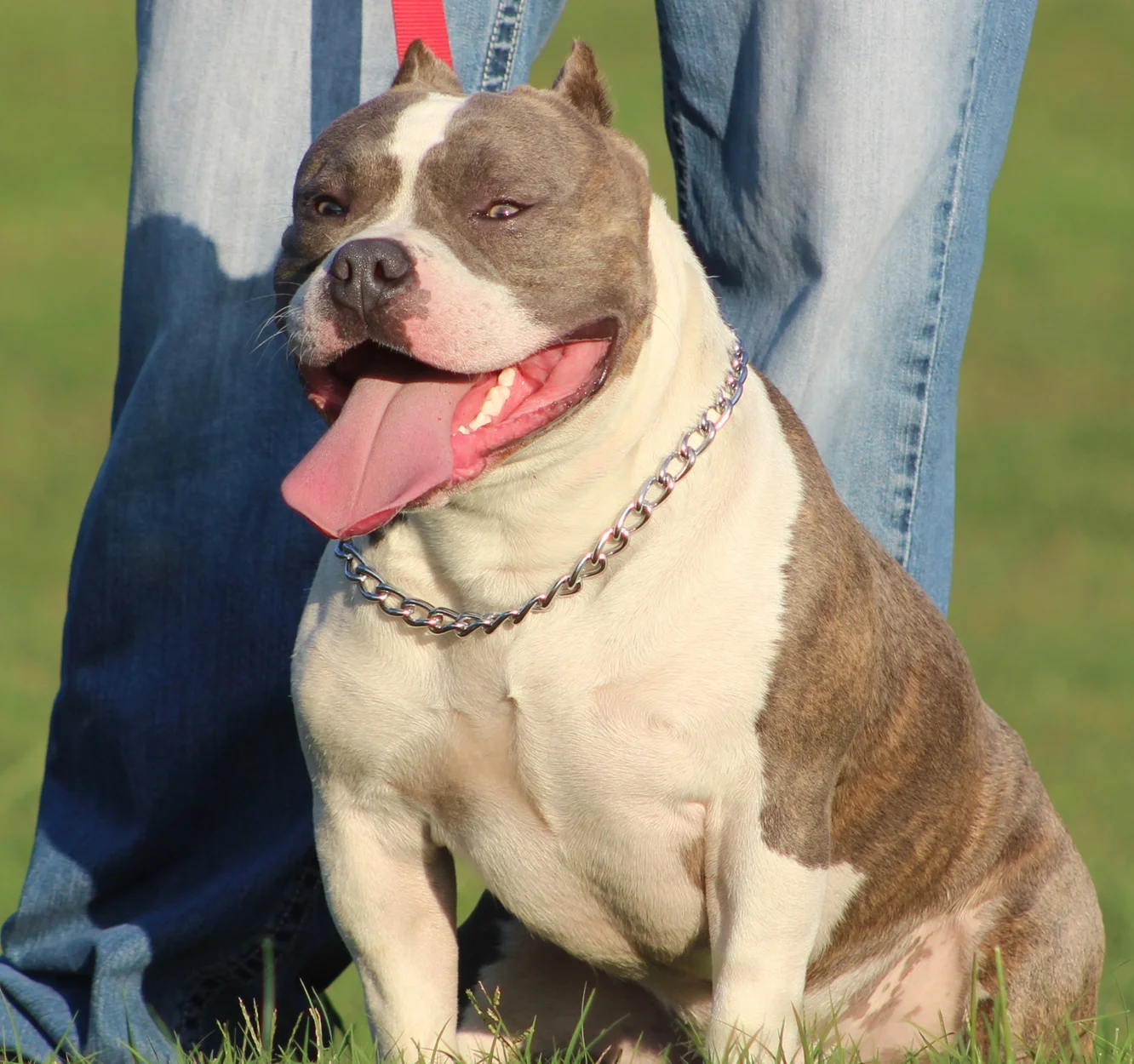
- Origin
- United States
- Registry
- United Kennel Club
- Section
- Companion dogs
- Registry name
- American Bully
American Bully varieties
The American Bully Kennel Club (ABKC) describes four varieties. Compare adult height at the withers, the highest point of the shoulders. Classic and Standard share a height range and differ in build.
Pocket Bully
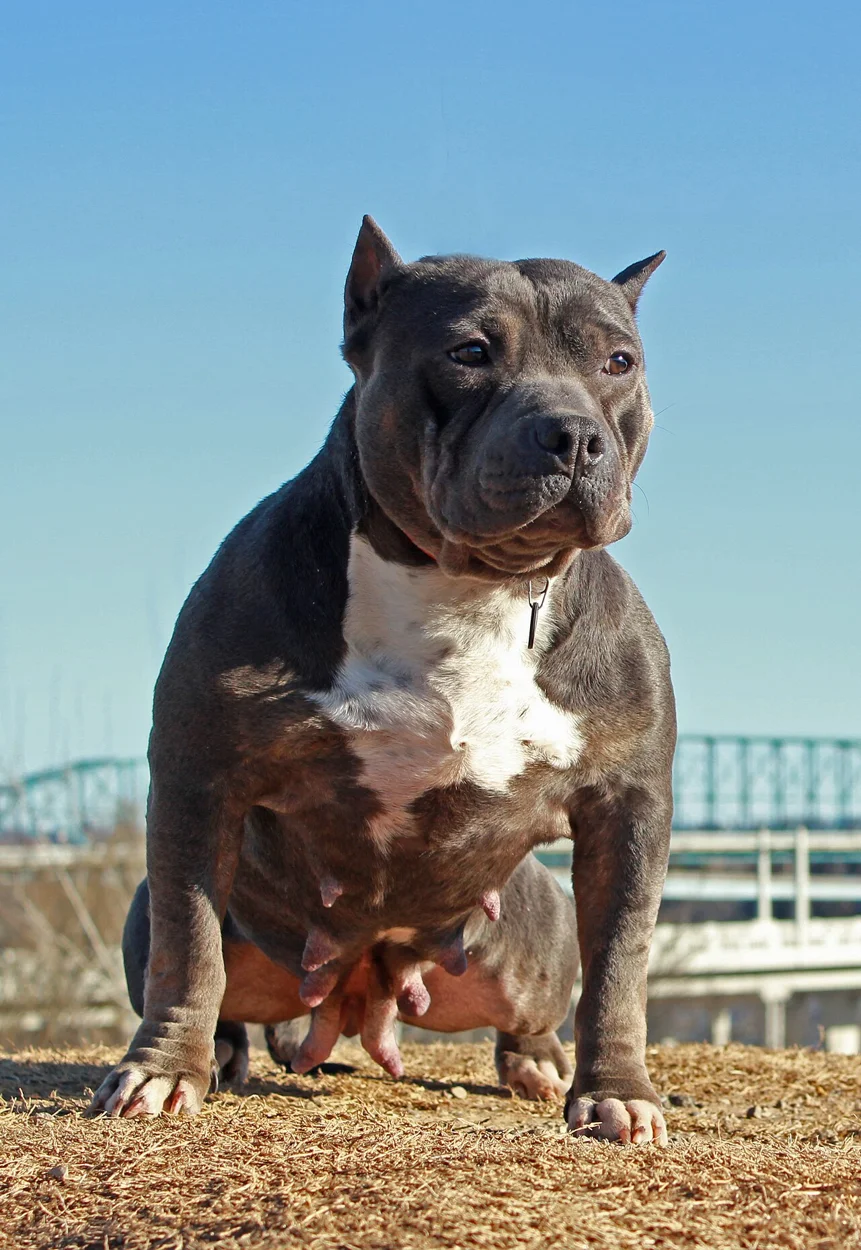
The shortest ABKC variety. Pocket refers to adult shoulder height. The breed’s broad chest and muscular build still apply.
- Male
- 14 to under 17 in
- Female
- 13 to under 16 in
Standard Bully
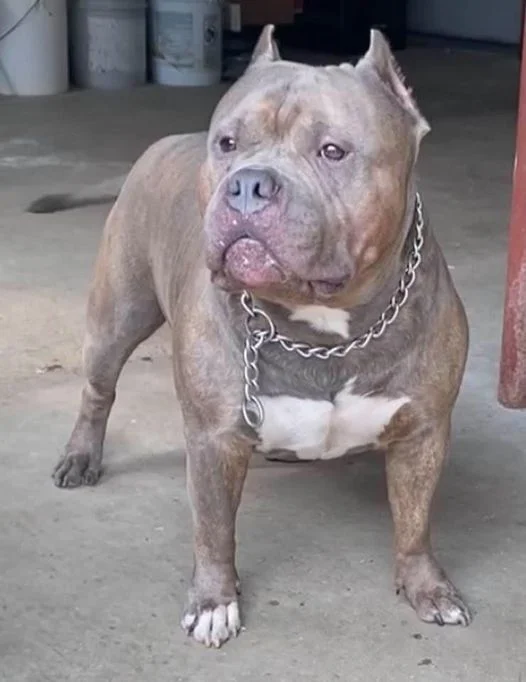
The reference build for the breed, with a broad head, substantial bone and a muscular body. A Standard and a Classic can stand exactly the same height.
- Male
- 17–20 in
- Female
- 16–19 in
Classic Bully
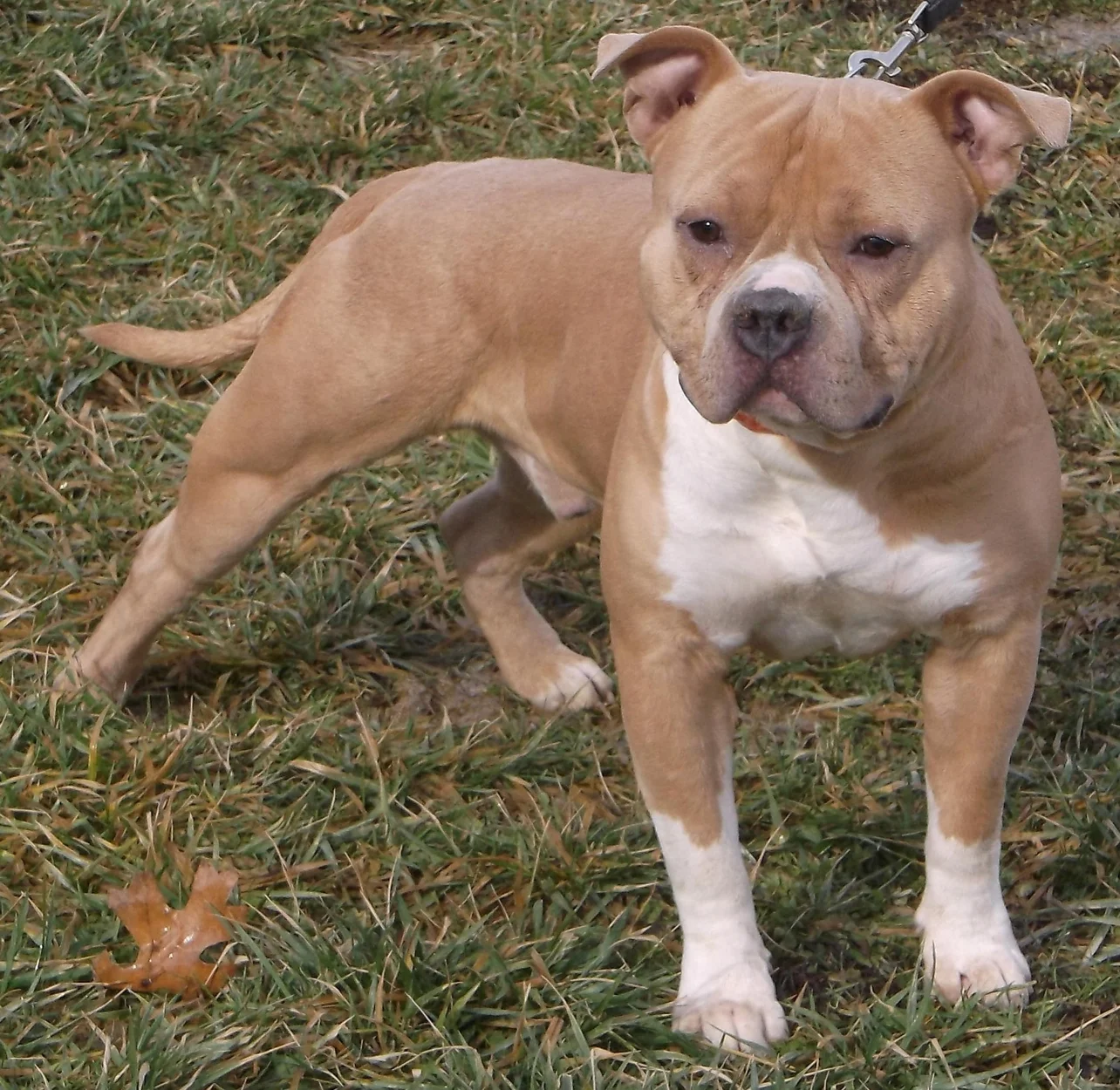
Classic dogs share the Standard height range. A lighter frame, finer bone and less overall body mass distinguish the Classic build.
- Male
- 17–20 in
- Female
- 16–19 in
XL Bully
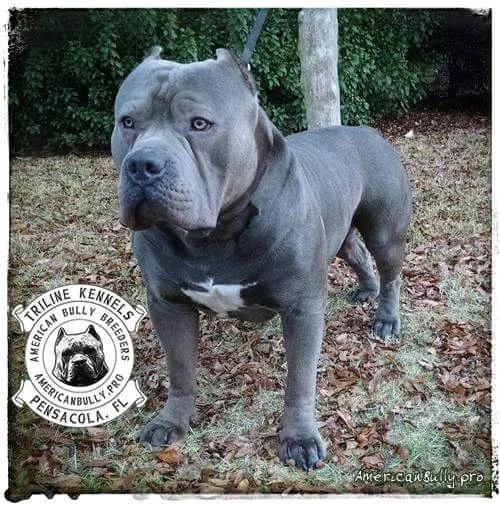
The tallest variety in the ABKC standard. A male measuring exactly 20 inches or a female measuring exactly 19 inches still falls within the Standard or Classic height range.
- Male
- Over 20 through 23 in
- Female
- Over 19 through 22 in
XXL Bully
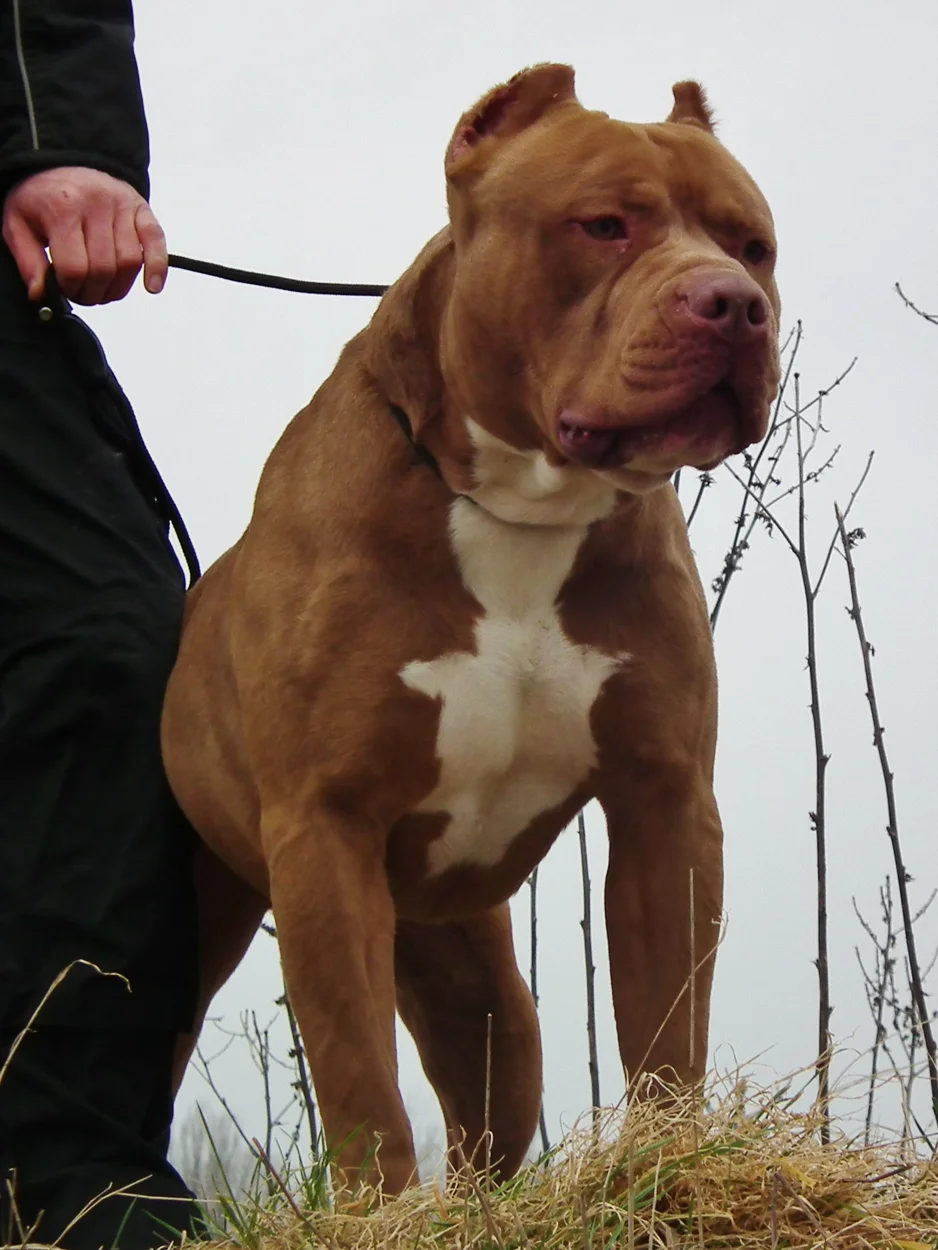
Some breeders use XXL or double XL for very large bully dogs. The ABKC and UKC standards give this label no height or weight range. Ask for the individual dog’s measured adult height when comparing an XXL with an XL.
Micro Bully
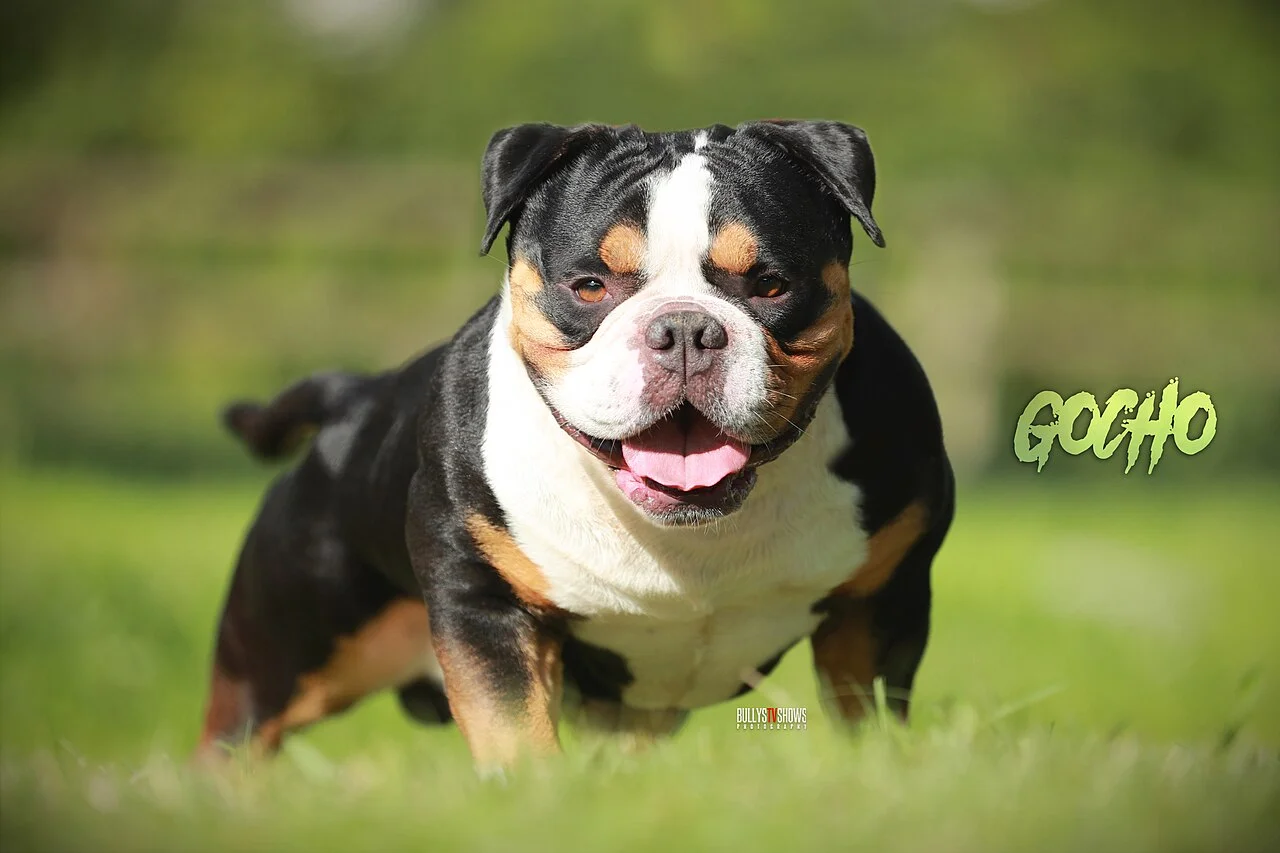
Some breeders use Micro for particularly small bully dogs. Its meaning varies by breeder. Pocket is the smallest variety with an adult height range in the ABKC standard.
Breed standards · American Bully Kennel Club · United Kennel Club
About the breed
UKC recognized the American Bully in 2013. Its ancestry includes the American Pit Bull Terrier. A broad chest, muscular shoulders and a compact body give the breed its distinctive outline. The breed standard calls for balanced movement and a confident, friendly temperament.
United Kennel Club breed history and standard